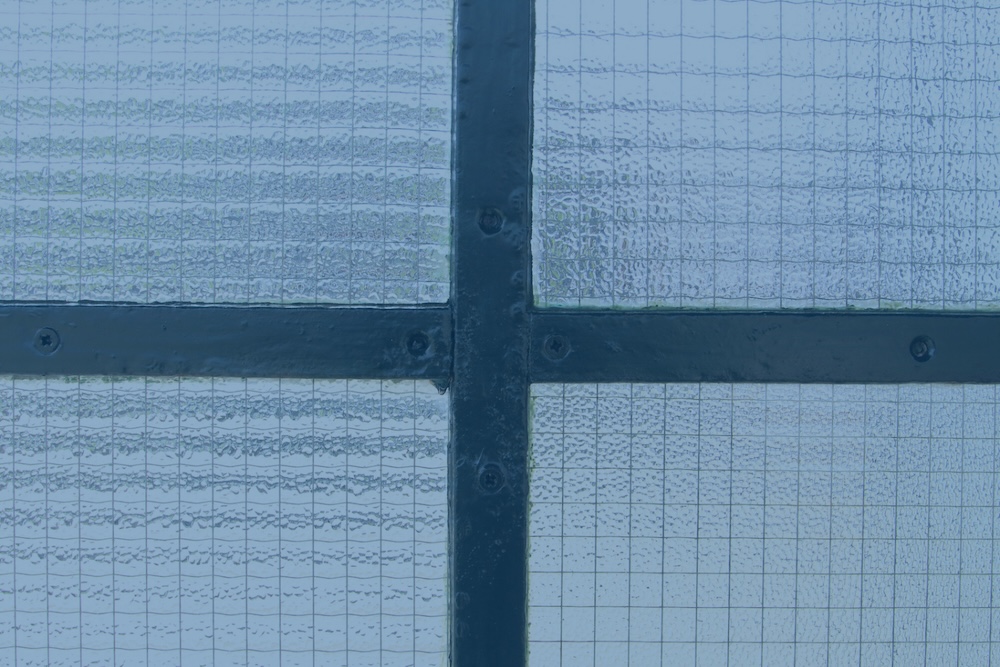
Window mullions are the vertical or horizontal bars that sit between two window units, or between separate panes of glass in one frame.
Some hold up the windows around them. Others simply join two windows into one assembly.
At Boggs Inspect, we check these bars on almost every home we inspect in the South Sound, because the seams around them are a common place for water to sneak in.
If you saw “mullion” in an inspection report or a window quote, this guide explains what it means.
You will learn how they differ from muntins and transoms, the problems we find most often, and what repairs usually cost.
What Are Window Mullions?
A window mullion is a bar or post that separates two window units or two large sections of glass within a single frame.
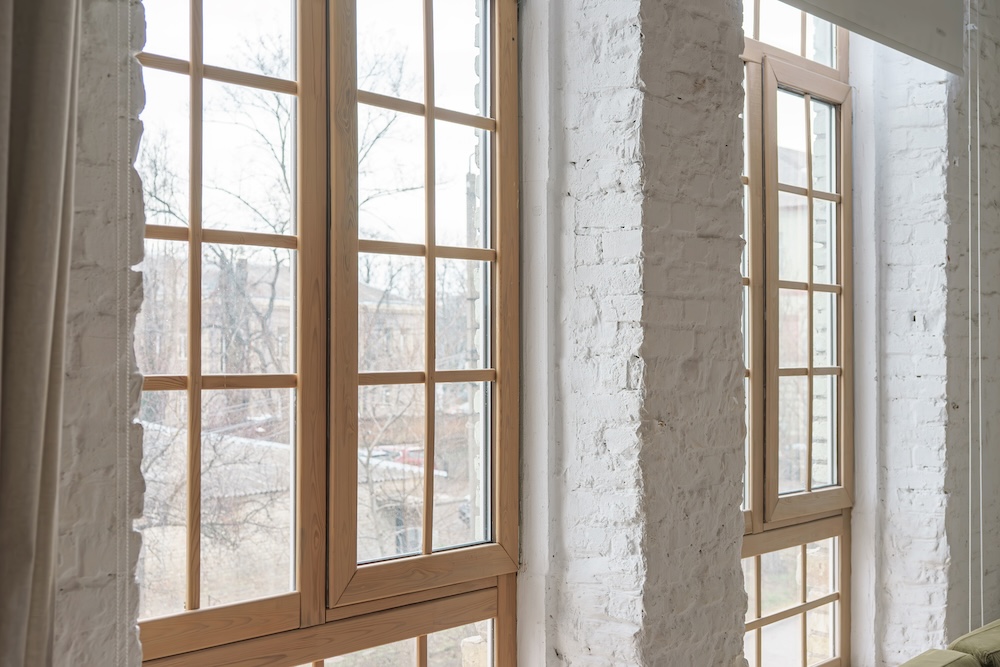
You will see them between the windows in a bay window, between a picture window and the casement windows beside it, and in tall stacked windows in living rooms and stairwells.
They run in two directions:
- Vertical bars stand upright between side-by-side windows.
- Horizontal bars run sideways between windows stacked on top of each other. Builders often call this piece a transom bar.
They are made from wood, vinyl, aluminum, fiberglass, or steel. Older homes and historic buildings may even have stone versions. In most newer homes, the bar matches the window frame material.
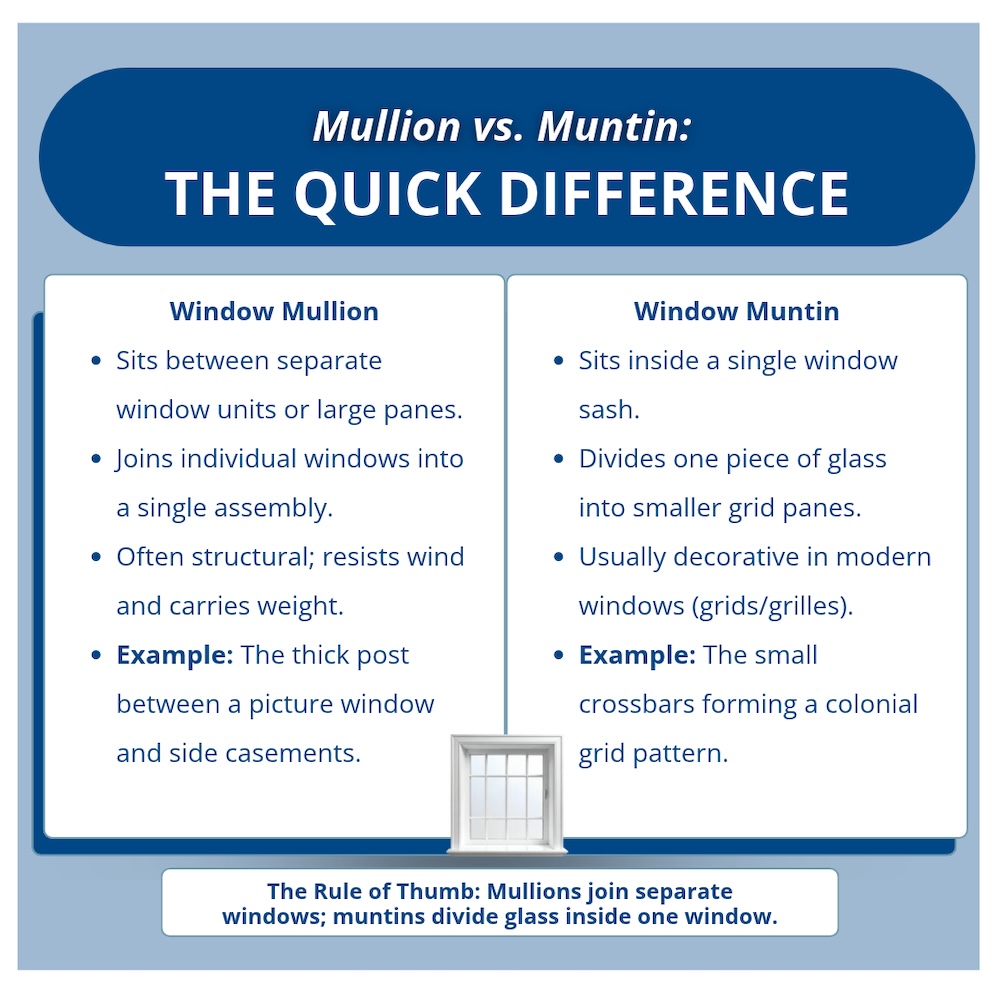
The takeaway: A mullion sits between windows or large panes. If the bar sits inside a single sash and splits up the glass, it is a muntin.
Mullion vs. Muntin vs. Transom: What Is the Difference?
The difference comes down to size and location. A mullion separates whole window units. A muntin divides small panes of glass inside one sash.
A transom is a window above a door or another window, and the bar under it is a horizontal mullion.
People mix these words up all the time, and many stores sell grille inserts labeled as “mullions.” This table shows how the terms compare:
| Term | Where it sits | What it does | Common example |
|---|---|---|---|
| Mullion | Between two window units or large panes | Joins windows; may carry wind load | Bar between the center and side windows of a bay window |
| Muntin | Inside a single sash, between small panes | Divides the glass into a grid | The cross bars on a colonial-style double-hung window |
| Grille or grid | On or between the glass | Gives the look of muntins | Snap-in grids or bars sealed inside double-pane glass |
| Transom | Above a door or window | Adds light; the bar beneath it is a horizontal mullion | Small window over a front door |
Types of Window Grilles
Most modern windows use grilles to copy the look of true muntins. You will see three main types:
- Grilles between the glass (GBG): Bars sealed inside a double-pane unit. They never need cleaning, but they cannot be removed.
- Simulated divided lites (SDL): Bars bonded to the inside and outside of the glass for a more realistic look.
- True divided lites (TDL): Separate small panes held by real muntins. You find these mainly in older or high-end windows.
If you want a wider look at window anatomy, this guide to the parts of a window that need the most maintenance breaks down each piece.
What Do Window Mullions Do?
Window mullions join windows together, support the glass and frame around them, and shape the look of the opening.
A mullion’s job depends on whether it is structural or decorative.
Structural Mullions
A structural mullion helps the window assembly resist wind pressure. Manufacturers test and rate these parts.
For example, the Texas Department of Insurance evaluation for a structural window mullion notes that a joined window assembly is only as strong as its weakest part: the rating is capped by the connecting bar or the lowest-rated window, whichever is lower.
That is why these parts matter on large window walls and in windy, exposed spots.
Joining (Mulled) Windows
Many homes have “mulled” windows. Mulling means connecting two or more factory windows with a mull bar so they install as one unit.
A picture window flanked by two casements is a classic example. These mull bars are not always load-bearing, but they always create a seam that has to stay sealed.
Design and Style
Mullions break up big walls of glass and give a home its character. Tudor and Gothic homes used heavy wood or stone mullions.
Craftsman and Prairie homes often pair them with grids for a clean, boxy look. Modern homes use slim bars so the glass takes center stage.
The trim around your windows and these dividers work together to set the style.
Why Did Older Homes Have So Many Mullions?
Older homes had more dividers because builders could not make large sheets of glass. Glassmakers produced small panes, so window openings needed many bars to hold the glass in place.
As glassmaking improved in the 1800s and 1900s, larger panes became affordable, and divided windows became a style choice instead of a necessity.
Today, some homeowners add grilles or applied trim to newer windows to get the classic look without the extra seams.
What Problems Do Home Inspectors Find With Window Mullions?
The most common problems we find are leaks at the seam, failed caulk, and rotting wood.
The joint where two windows meet is one of the weakest points in any window opening, and western Washington’s long, wet, rainy season puts it to the test every year.
Leaks at the Mull Joint
Water can get in through small gaps at the top of a mulled window, right where two units meet.
Once inside, it can wick into shims and framing and show up as stains on the interior trim, sometimes far from the actual entry point.
Wind-driven rain makes these leaks worse. Many leaks that look like window problems start at this seam or at missing flashing above it.
If you notice a window that leaks when it rains, the mull joint is one of the first places to check.
Failed or Missing Sealant
Exterior caulk at the joint dries out, cracks, and pulls away over time. Sun on south- and west-facing walls speeds this up. Once the seal fails, water has an open path into the wall.
Wood Rot
Wood mullions and the trim around them can rot, especially on older homes.
Decay usually starts on horizontal surfaces and at joints, where water sits the longest, according to the National Park Service guide to repairing historic wood windows.
Soft spots, peeling paint, and dark staining are early signs. Our post on protecting wood from decay covers habits that help any exterior wood last longer.
Other Warning Signs
During a home inspection, we also look for:
- Gaps or separation between the bar and the window frames
- Vinyl mullions that have split or pulled apart at the joint
- Bars that bow, sag, or flex when you press on them
- Swollen, stained, or moldy interior trim near the mullion
- Fog or moisture between the glass in nearby windows, a sign of a failed seal (learn more about fogged double-pane windows)
- Layers of old patching that suggest a repeat leak
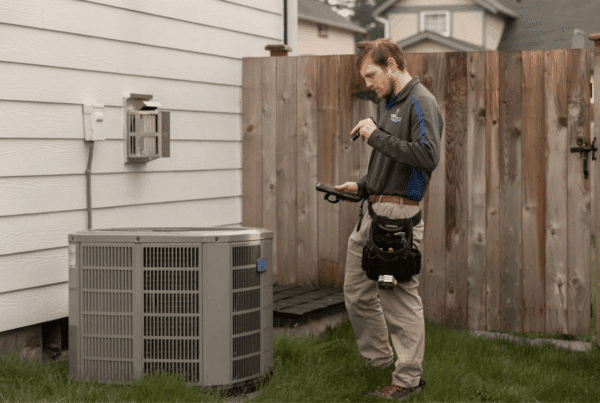
Some leaks hide inside the wall. Infrared thermography can show cold, damp areas around a window that you cannot see with your eyes.
The takeaway: A small gap at a mullion seam can lead to hidden wall damage. Catching it early is far cheaper than repairing rotted framing later.
How Much Does Window Mullion Repair Cost?
Window mullion repairs usually fall in the range of general window repair costs, which run about $150 to $600, with an average near $400, according to Fixr’s 2026 window repair cost guide.
Few sources price this work on its own, so use these related repairs as a guide:
| Repair | Typical cost range |
|---|---|
| Fixing a window leak | $50 to $600 |
| Resealing to stop air leaks | $50 to $400 |
| Repairing a rotted or broken wood frame | $175 to $800 |
| Repairing a rotted or broken vinyl frame | $200 to $800 |
| Fixing fogged glass from a failed seal | $75 to $250 |
Source: Fixr, updated January 2026. Your price depends on window size, material, access, and how much hidden damage is found.
If rot has spread into the framing or the windows themselves are failing, replacing the whole mulled unit may make more sense than repairing the bar alone.
Get a written estimate from a qualified window contractor before you decide.
How Do You Maintain Window Mullions?
You can keep window mullions in good shape with a quick check twice a year, ideally before and after the rainy season.
- Look at the exterior caulk. Check for cracks, gaps, or caulk pulling away from the frame.
- Press on wood mullions. Soft spots or crumbling wood point to rot.
- Check the inside trim. Stains, bubbling paint, or swelling near the seam mean water is getting in.
- Keep paint in good shape. Paint protects wood from moisture. Touch up peeling spots quickly.
- Clean gutters. Overflowing gutters dump water right onto the tops of windows.
- Watch for drafts. A cold breeze at the seam often means the seal has failed. Our tips for sealing drafty glass doors apply to windows too.
If you would rather have a pro look things over, an annual maintenance inspection covers windows, sealants, and moisture readings around the exterior.
Related Questions to Explore
What part of a window is the mullion?
The mullion is the bar between two window units or two large sections of glass. It is not part of the sash. If the bar divides small panes inside one sash, it is a muntin.
Can you add mullions to existing windows?
Yes. You can add the look of mullions with snap-in grilles, applied trim, or SDL bars. These are decorative only. Adding a true structural mullion means changing the window opening, which is a job for a window contractor.
Can you remove mullions from windows?
You can remove snap-in grilles easily. Grilles sealed between the glass cannot be removed without replacing the glass. Removing a structural bar requires new windows and possibly new framing, so talk with one of our top-rated local contractors first.
Are window mullions outdated?
No. Mullions are still standard on bay windows, picture windows with side units, and large window walls. Heavy grids are less common in modern designs, but slim versions remain popular because they support big spans of glass.
What are mullioned windows and why were they used?
Mullioned windows are windows divided by mullions into several sections. Builders used them in older homes because large panes of glass were hard to make. Today they are mainly a style choice. If you love classic window details, a transom window offers a similar look with extra light.
Can you paint window mullions?
Yes. Wood mullions should be painted to protect them from moisture. Vinyl ones can be painted with a vinyl-safe paint, but check your window warranty first, since some manufacturers void coverage if the frame is painted.
When to Call a Professional
Call a professional when you see signs that water is getting past the mullion. That includes stains on interior trim, soft or crumbling wood, gaps you can see light through, or a bar that moves when you press on it.
These problems tend to grow behind the wall where you cannot see them.
A home inspector can help you understand what is going on before you spend money on repairs. At Boggs Inspect, our ASHI-member team checks the windows, mullion seams, flashing, and nearby framing, and uses moisture meters to look for hidden water.
If we find a problem, we explain it in plain language in your report so you know which contractor to call. If we see signs of mold near a leaking window, we can also schedule mold and indoor air quality testing.
For repairs such as rebuilding a rotted bar or replacing a mulled window unit, you will want a licensed window contractor or a skilled finish carpenter.
Conclusion
Window mullions join windows together, support large spans of glass, and give your home its style. They also create seams that need to stay sealed, especially through a Pacific Northwest winter.
- A mullion separates window units; a muntin divides panes inside one sash.
- Leaks, failed caulk, and wood rot at the mullion seam are the most common problems.
- Small repairs caught early cost far less than fixing hidden water damage.
Buying a home or worried about your windows? Schedule a home inspection with Boggs Inspect, and our team will check every window in homes across Lacey, Olympia, Tacoma, and the South Sound.