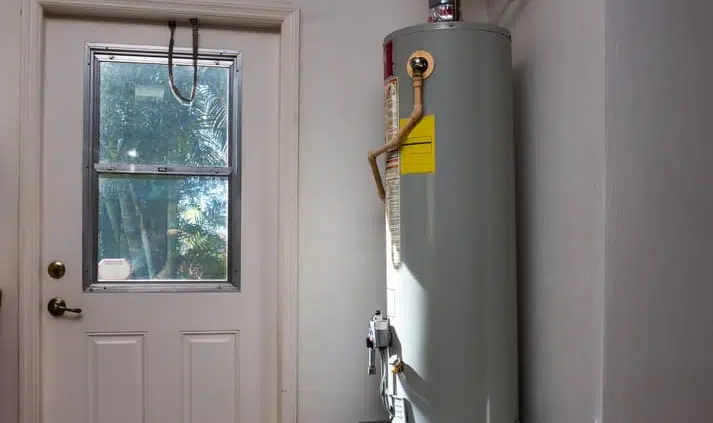
Few home issues are as frustrating as losing hot water when you need it most. One minute, everything feels normal, and the next, the water turns cold mid-shower.
For many homeowners, this problem seems to happen without warning and then keeps repeating.
So, why does your hot water keep going out in my home?
In most cases, the answer is not mysterious. Hot water problems usually point to a system that is struggling to meet demand, losing efficiency, or slowly failing.
Sometimes the issue starts inside the water heater itself. Other times, it comes from plumbing design, household usage, or age-related wear.
In Olympia and across Washington, this concern comes up often during home inspections, especially in older homes or homes with growing families.
Understanding why your hot water keeps going out in your home can help you take action before the issue turns into a major repair or an unexpected replacement.
Why Does My Hot Water Keep Going Out in My Home?
Your hot water keeps going out because your system cannot heat, store, or deliver enough hot water consistently.
This usually happens for one or more of these reasons:
- The water heater is undersized
- Sediment has reduced heating efficiency
- Internal components are wearing out
- Temperature controls are not working correctly
- Plumbing conditions limit hot water delivery
According to the U.S. Department of Energy, water heating makes up about 18% of a home’s total energy use, second only to heating and cooling.
When a water heater starts losing efficiency, homeowners feel it quickly through shorter hot water cycles and higher utility costs.
In Olympia, colder incoming groundwater during fall and winter can make these problems even more noticeable.

Is My Water Heater Too Small for My Household?
A water heater that is too small is one of the most common reasons hot water runs out.
Water heaters are sized based on household demand, not just the number of bathrooms.
Over time, families grow, schedules change, and water usage increases. A tank that once worked fine may no longer be able to keep up.
Signs Your Water Heater May Be Undersized
- Hot water runs out before a shower is finished
- Two people cannot use the hot water at the same time
- Hot water disappears quickly when appliances run
Even high-efficiency models can struggle if the tank size is too small for the household’s daily needs.
Typical Water Heater Size by Household
| Household Size | Tank Size Range |
| 1 to 2 people | 30 to 40 gallons |
| 3 to 4 people | 40 to 50 gallons |
| 5 or more | 50 to 80 gallons |
Therefore, in Olympia homes with finished basements, guest bathrooms, or larger soaking tubs, demand often exceeds what older tanks were designed to handle.
Can Sediment Buildup Cause Hot Water to Run Out Fast?
Yes, sediment buildup is a major and often overlooked cause of hot water loss.
Minerals naturally found in water settle at the bottom of the tank over time. As this layer thickens, it acts as a barrier between the heating source and the water.
How Sediment Buildup Affects Performance
- Reduces the amount of water that can be heated
- Slows heating time between uses
- Increases energy consumption
- Causes popping or rumbling noises
In parts of Washington, mineral content in water contributes to faster sediment buildup. Without regular flushing, even newer tanks can lose efficiency within a few years.
Sediment also increases wear on heating components, which can shorten the lifespan of the unit.

Are Heating Elements or Burners Failing?
Yes, failing heating components commonly cause hot water to run out sooner than expected.
Electric water heaters typically use two heating elements. When one element fails, the heater still produces hot water, but not enough to last through normal use.
Gas water heaters rely on burners. If a burner becomes dirty or malfunctions, the water may heat unevenly or too slowly.
Warning Signs of Heating Component Issues
- Water feels warm instead of hot
- The hot water supply is inconsistent
- Recovery time feels longer after use
These problems often develop gradually, which is why homeowners may not notice them right away.
During inspections, professionals frequently find failing elements that have not completely stopped working yet.
Could a Thermostat or Temperature Setting Be the Problem?
Incorrect settings or faulty thermostats can limit how long hot water lasts.
Most water heaters are set between 120 and 140 degrees Fahrenheit.
If the thermostat is set too low, water reaches only lukewarm temperatures. If the thermostat is faulty, temperatures may fluctuate without warning.
What Should Homeowners Keep In Mind?
- Lower settings reduce available hot water
- Faulty thermostats cause uneven heating
- Overheating increases scalding risk
In Olympia homes, temperature problems sometimes show up seasonally when incoming water temperatures drop, and systems struggle to compensate.
Does My Home Have a Plumbing or Pressure Issue?
Plumbing design and pressure issues can shorten hot water availability.
Hot water cools as it travels through pipes. In larger homes or homes with long pipe runs, water may lose heat before reaching fixtures.
Plumbing-Related Causes of Hot Water Loss
- Long distances between the heater and fixtures
- Leaks in hot water lines
- Low water pressure
- Aging or undersized pipes
Homes that have been remodeled or expanded often experience these issues because the plumbing system was not updated to match the new layout.
Is a Tankless Water Heater Causing the Issue?
Tankless systems can still struggle under certain conditions.
Tankless water heaters heat water on demand, but they have flow limits. When too many fixtures run at once, the system cannot maintain temperature.
Common Tankless Water Heater Challenges
- Flow demand exceeds system capacity
- Mineral buildup on heat exchangers
- Inadequate gas or electrical supply
In Olympia, tankless systems may also struggle during winter months when incoming water is colder and requires more energy to heat.
When Is It Time to Replace the Water Heater?
It is often time to replace the water heater when problems become frequent, and the unit is near the end of its lifespan.
Average Water Heater Lifespan
- Tank models: 8 to 12 years
- Tankless models: 15 to 20 years
Red Flags that Replacement May Be Needed
- Rust or corrosion on the tank
- Water that pools near the base
- Frequent repairs
- Reduced efficiency
Waiting too long increases the risk of leaks and water damage, which can be costly and disruptive.
How a Home Inspection Can Identify Hot Water Problems Early
A professional home inspection can reveal hidden water heater and plumbing issues before they worsen.
Inspectors evaluate:
- Age and condition of the water heater
- Installation quality and safety features
- Visible plumbing concerns
- Signs of leaks or corrosion
For buyers and sellers in Olympia, these findings often play a key role in negotiations and planning future repairs.
Related Questions
Why does my hot water go cold after 10 minutes?
This issue is commonly connected to undersized water heaters, failing heating elements, or heavy sediment buildup. Homes with older tank systems or increased water usage often experience this problem, making it a frequent topic in water heater inspections.
Why does my hot water only work in one bathroom?
When hot water reaches one fixture but not others, the cause is often related to plumbing distribution, shutoff valves, or localized pipe issues. This concern frequently overlaps with broader plumbing inspection findings in multi-bathroom homes.
Why does my hot water run out faster in winter?
Cold seasonal groundwater entering the home requires more energy to heat. As a result, water heaters work harder and may struggle to maintain output. This issue often appears in colder climates like Washington and is closely tied to energy efficiency and system capacity discussions.
Why does my hot water fluctuate during use?
Temperature changes during use can point to thermostat problems, pressure imbalances, or failing internal components. These fluctuations are often evaluated during general home inspections when assessing system reliability and safety.
How do plumbing upgrades or remodels impact hot water performance?
Home additions, bathroom remodels, or appliance upgrades can increase hot water demand without updating the existing system. This mismatch is a frequent finding during inspections of remodeled or expanded homes.
Conclusion
If you keep asking, why does my hot water keep going out in my home, the problem is rarely random. In most cases, it is a sign of reduced efficiency, aging components, or a system that no longer matches household needs.
For homeowners in Olympia and throughout Washington, identifying these issues early can prevent unexpected repairs and protect your home investment.
If you are buying, selling, or maintaining a home, a professional inspection from Boggs Inspection Services can provide clear answers and help ensure your hot water system performs reliably when it matters most.